
Table of Contents
Warehouse development services play a critical role in today’s supply chain, logistics, manufacturing, and e commerce ecosystems. As businesses expand and consumer demand for faster deliveries increases, the need for well planned, efficiently designed, and strategically built warehouses has never been greater. From initial feasibility analysis to final construction and commissioning, warehouse development is a structured, multi‑stage process that requires careful coordination between planners, architects, engineers, and construction professionals.
This guide provides a complete informational overview of warehouse development services, explaining how warehouses are planned, designed, and built, and why each stage is essential for long‑term operational success.
What Are Warehouse Development Services?
Warehouse development services refer to the comprehensive set of planning, design, engineering, and construction activities involved in creating a functional warehouse or distribution facility. These services ensure that the warehouse meets operational needs, complies with regulations, and remains cost‑effective over its lifecycle.
Warehouse development services typically include:
- Feasibility and site analysis
- Conceptual and detailed design
- Cost estimation and budgeting
- Engineering and structural planning
- Construction and project management
- Quality control and compliance checks
These services are used for various types of facilities, including distribution centers, fulfillment warehouses, cold storage facilities, and industrial storage buildings.
Stage 1: Planning a Warehouse Development Project
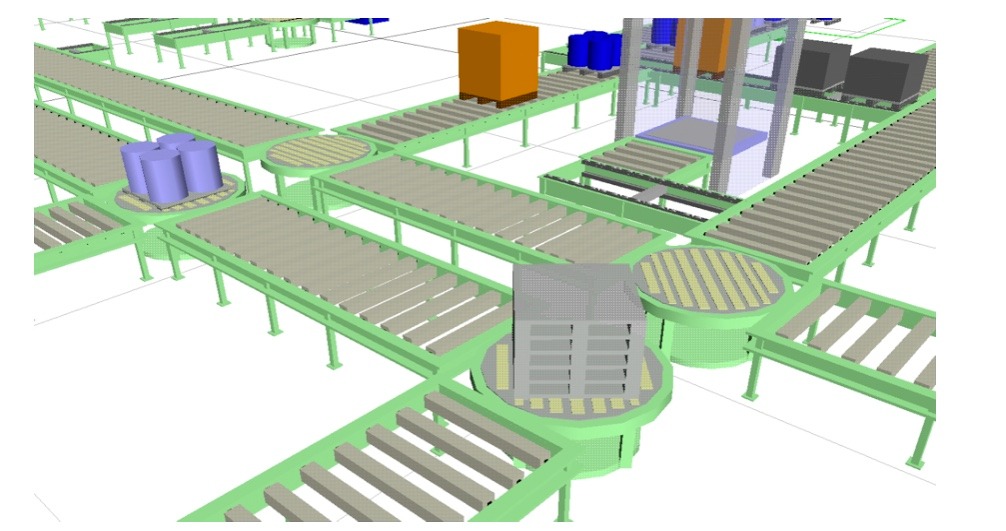
Understanding Business and Operational Requirements
The planning phase begins with defining the purpose of the warehouse. Different businesses require different layouts, capacities, and systems. For example, an e‑commerce fulfillment center differs significantly from a manufacturing storage warehouse.
Key considerations include:
- Storage capacity requirements
- Inventory turnover rates
- Material handling methods
- Automation needs
- Workforce size and workflows
Clear operational goals help shape every decision made later in the development process.
Site Selection and Feasibility Analysis
Selecting the right location is one of the most critical elements of warehouse development services. A poor site choice can increase transportation costs and limit future expansion.
Factors evaluated during site selection include:
- Proximity to highways, ports, and rail networks
- Zoning and land use regulations
- Soil conditions and topography
- Utility availability (electricity, water, gas)
- Environmental impact and flood risks
A feasibility study determines whether the proposed site can support the warehouse’s operational and financial objectives.
Budgeting and Preliminary Cost Estimation
Early stage cost estimation helps stakeholders understand the financial scope of the project. Preliminary estimates include land acquisition, construction costs, equipment, and long‑term operating expenses.
Warehouse development services often include value engineering at this stage to optimize costs without compromising performance or safety.
Stage 2: Designing a Warehouse Facility
Conceptual Warehouse Design
Conceptual design transforms operational requirements into a visual and functional layout. This phase focuses on space utilization, workflow efficiency, and scalability.
Key design elements include:
- Building footprint and clear heights
- Dock doors and loading areas
- Storage systems (racks, shelves, mezzanines)
- Office and employee facilities
- Traffic flow for forklifts and vehicles
The goal is to minimize handling time and maximize storage efficiency.
Architectural and Structural Design
Architectural design focuses on the building’s form, compliance, and durability, while structural design ensures the warehouse can handle heavy loads and equipment.
Structural considerations include:
- Floor load capacity
- Column spacing for racking systems
- Roof structure for future solar panels or equipment
- Seismic and wind load compliance
Warehouse development services ensure the design meets local building codes and industry standards.
Mechanical, Electrical, and Plumbing (MEP) Design
MEP systems are essential for warehouse functionality and safety. Proper planning of these systems reduces operating costs and improves working conditions.
MEP design typically includes:
- HVAC systems for temperature control
- Lighting design for efficiency and visibility
- Electrical systems for automation and equipment
- Fire protection and sprinkler systems
- Drainage and plumbing layouts
Energy efficient MEP design is increasingly prioritized in modern warehouse projects.
Stage 3: Engineering and Technical Coordination
Integration of Automation and Technology
Modern warehouses often rely on automation and advanced technology. Warehouse development services coordinate infrastructure to support:
- Warehouse Management Systems (WMS)
- Automated storage and retrieval systems (ASRS)
- Conveyor systems
- Robotics and sorting technologies
Early integration prevents costly modifications during construction or operation.
Compliance and Regulatory Approvals
Warehouse projects must comply with multiple regulations, including:
- Local building and zoning codes
- Fire and life safety standards
- Environmental regulations
- Accessibility requirements
Development teams manage documentation and approvals to avoid delays and penalties.
Stage 4: Construction of the Warehouse
Site Preparation and Foundation Work
Construction begins with site preparation, which includes clearing, grading, and soil stabilization. Foundation systems are designed based on load requirements and soil conditions.
Proper site preparation ensures structural stability and long‑term durability.
Structural Construction
The structural phase involves erecting the warehouse frame, roofing systems, and exterior walls. Common construction methods include:
- Pre engineered metal buildings
- Reinforced concrete structures
- Steel frame construction
Warehouse development services select methods that balance cost, speed, and performance.
Interior Build Out and Systems Installation
Once the structure is complete, interior systems are installed. This includes:
- Flooring and slab finishing
- Racking and storage systems
- Lighting and electrical systems
- HVAC and fire protection
Quality control during this phase ensures the warehouse meets operational requirements.
Stage 5: Testing, Commissioning, and Handover
System Testing and Quality Assurance
Before handover, all systems are tested to confirm performance and safety. This includes load testing, fire system checks, and electrical inspections.
Final Documentation and Training
Warehouse development services often provide as‑built drawings, operation manuals, and staff training. This ensures smooth transition from construction to operations.
Types of Warehouses Developed Through These Services
Warehouse development services support a wide range of facilities, including:
- Distribution centers
- Fulfillment warehouses
- Cold storage facilities
- Manufacturing warehouses
- Cross dock terminals
- Logistics hubs
Each type requires specialized planning and design considerations.
Importance of Professional Warehouse Development Services
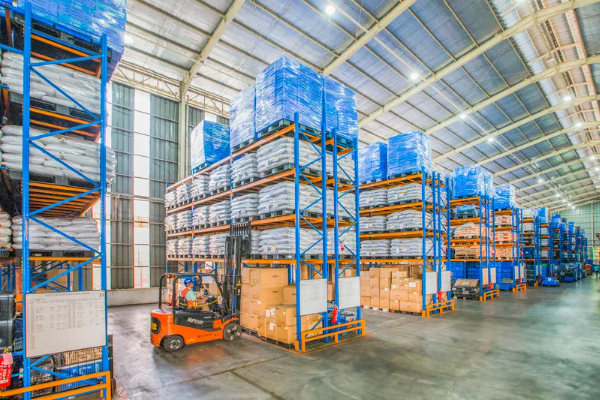
Professional warehouse development services help organizations:
- Reduce construction and operating costs
- Improve workflow and productivity
- Ensure regulatory compliance
- Support future expansion
- Minimize project risks
By following a structured development process, businesses achieve long‑term operational efficiency.
Sustainability in Warehouse Development
Sustainability has become an integral part of warehouse development. Common sustainable practices include:
- Energy efficient lighting and HVAC systems
- Solar panel integration
- Sustainable building materials
- Water conservation systems
- Optimized insulation and ventilation
These practices reduce environmental impact and long term operating expenses.
Future Trends in Warehouse Development
Warehouse development continues to evolve due to technological advancements and changing market demands. Key trends include:
- Increased automation and robotics
- Smart warehouses with IoT integration
- Multi story urban warehouses
- Sustainable and net‑zero energy facilities
- Flexible designs for mixed‑use logistics
Staying informed about these trends helps businesses plan future ready facilities.
How The Ace Services Supports Warehouse Development Projects
At The Ace Services, warehouse development services are supported by in depth industry knowledge, accurate cost planning, and a structured pre construction approach.
Our team assists clients at every stage of warehouse planning, design, and development by providing reliable cost estimates, feasibility insights, and technical support that align projects with real world construction conditions. By analyzing drawings, specifications, and market pricing,
The Ace Services helps stakeholders make informed decisions, control budgets, reduce risks, and plan efficient warehouse facilities that are scalable, compliant, and operationally effective.
Conclusion
Warehouse development services provide a structured and strategic approach to planning, designing, and building efficient warehouse facilities. From site selection and conceptual design to construction and commissioning, each phase plays a vital role in ensuring long term success.
By understanding how warehouses are planned, designed, and built, stakeholders can make informed decisions that support operational efficiency, scalability, and sustainability. As supply chains continue to grow and evolve, professional warehouse development services remain essential for modern industrial and logistics infrastructure.
Frequently Asked Questions
What are warehouse development services?
Warehouse development services include planning, design, engineering, cost estimation, and construction support required to build efficient warehouse and logistics facilities.
How long does it take to develop a warehouse?
The timeline varies based on size and complexity, but most warehouse development projects take several months from planning to completion.
Why is planning important in warehouse development?
Proper planning ensures optimal space utilization, efficient workflows, regulatory compliance, and cost control throughout the project lifecycle.
What types of warehouses can be developed through these services?
Warehouse development services support distribution centers, fulfillment warehouses, cold storage facilities, manufacturing warehouses, and logistics hubs.
How do warehouse development services help control costs?
They provide accurate budgeting, value engineering, and early-stage cost insights to reduce financial risks and prevent overruns.